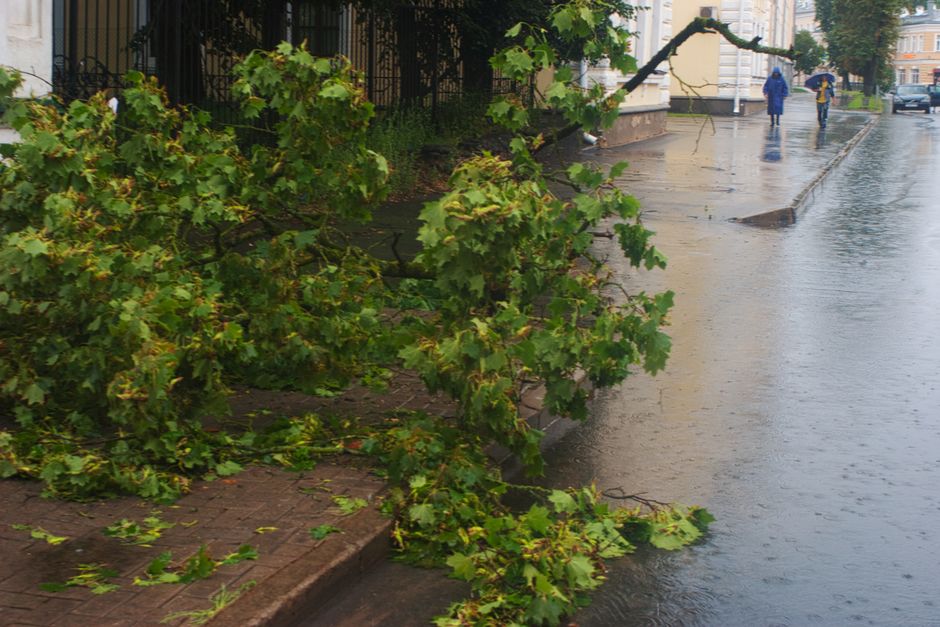
Same day Hendon gardeners for storm and urgent repairs
When a storm leaves your garden tangled, leaning, broken, or simply unsafe, waiting a few days can make everything worse. A snapped fence panel starts to rattle, a fallen branch blocks the path, water pools where it should not, and suddenly the space you usually enjoy feels awkward and exposed. That is exactly where same day Hendon gardeners for storm and urgent repairs become invaluable.
This guide explains what rapid garden repair really involves, how it works in practice, and what to expect if you need fast help in Hendon. We will look at urgent cleanup, temporary fixes, tree and hedge issues, safety priorities, costs, and the little decisions that make a big difference when the weather has been rough. If you are staring out at a battered garden after a windy night, let's face it, you probably want clear answers more than anything else.
For a broader look at how to prepare your outdoor space before bad weather hits, you may also find the advice in strategies to keep your garden safe from severe weather events useful. And if the damage is already done, this article will help you decide what to tackle first, what to leave to a professional, and how to restore order without making a rushed mistake.
Why Same day Hendon gardeners for storm and urgent repairs Matters
Storm damage in a garden is rarely just cosmetic. A toppled fence can expose a side return. A split tree limb can rest dangerously over a driveway or patio. Loose paving, scattered debris, and waterlogged beds can create trip hazards that are easy to overlook in the first rush of clean-up. The point of same-day help is not just speed for the sake of it; it is about stopping a small problem from becoming a bigger, costlier one.
In a place like Hendon, where gardens often sit close to neighbouring properties, shared boundaries and narrow access can add extra pressure. You might have worried neighbours, pets trying to get through the mess, or a school run waiting outside the door. That kind of stress changes how you need to respond. Fast intervention gives you breathing room. It also means the repair can be assessed while the evidence is still fresh: broken timber, saturated soil, leaning posts, torn membranes, or root disturbance are easier to read immediately after the event.
There is another reason this matters. After severe weather, hidden hazards often remain after the obvious mess is cleared. A branch may look stable but be under tension. A fence panel may be propped up enough to hold for the moment, but one more gust could finish it off. A quick response is not an indulgence. It is sensible risk management, plain and simple.
If the storm has also affected other outdoor structures, it can help to understand what broader garden recovery might involve. Our piece on navigating a neglected garden makeover is useful for seeing how urgent fixes can later turn into a fuller restoration. And if the problem has involved trees, overhanging limbs or unstable trunks, you may need support that overlaps with tree surgery rather than simple tidy-up work.
How Same day Hendon gardeners for storm and urgent repairs Works
Same-day garden repair is usually a practical triage process. The aim is to make the site safe first, then stabilise the damage, then decide whether anything needs follow-up work. It is rarely about completing an entire garden project in one go. To be fair, that would be unrealistic after a storm anyway.
1) Quick initial assessment
The first step is a clear description of what happened. A good gardener will want to know whether there are fallen branches, broken fences, blocked paths, flooded beds, damaged decking edges, or dangerous leaning structures. Photos are helpful if you can safely take them. Do not walk under branches or near unstable fencing just to get a better angle. A quick picture from a distance is enough.
2) Safety prioritisation
The most urgent hazards are dealt with first. That might mean removing debris from entrances, making a fence safe, cutting back loose sections of hedge, or securing a damaged gate so it does not swing into a walkway. If there is a tree-related risk, the issue may need to be escalated quickly because tree work can become dangerous in wet, windy conditions.
3) Temporary stabilisation or immediate repair
Some damage can be fixed on the spot. A loosened panel may be refastened. A snapped plant support can be replaced. A bed edge may be re-anchored. Other issues only need a temporary solution until materials are available. That is still a proper outcome. A decent same-day service knows the difference between a safe stopgap and an overpromised quick fix.
4) Clean-up and disposal
Once the hazard is under control, the team typically clears broken branches, windblown rubbish, leaves, and shattered garden debris. Depending on the job, this can also include sweeping paths, checking drainage points, and removing anything that might rot or attract pests if left sitting too long.
5) Follow-up recommendations
A good urgent repair visit should end with advice for the next stage. That could be a return visit for a permanent fence repair, more extensive pruning, lawn recovery, or a broader maintenance plan. If you have a garden that usually looks after itself quite well, storm damage is often the moment when a more structured plan suddenly makes sense.
For many households, the best starting point after weather damage is a targeted visit from gardening services rather than trying to patch everything alone. If the mess is mostly boundary-related, fencing support may be the more relevant route. And if lawn surfaces have been battered and compacted, lawn care may be needed once the immediate danger has passed.
Key Benefits and Practical Advantages
There are several reasons people choose same-day Hendon gardeners after storm damage instead of waiting for a general maintenance appointment. Some are obvious. Others become clear only once you have lived through the aftermath.
- Faster hazard removal: Broken branches, unstable fences, and blocked paths are dealt with before somebody trips, slips, or gets shut out of part of the garden.
- Less secondary damage: Moisture, wind, and movement can worsen a weak point quickly. Early action reduces the chance of rot, collapse, or plant loss.
- Better protection for neighbours and passers-by: In close residential streets, a loose panel or hanging branch is not only your issue. You want it stable, and soon.
- More accurate repair decisions: The fresh damage is easier to assess, so temporary and permanent fixes can be planned properly.
- Reduced stress: There is real relief in hearing, "Yes, we can come today." Storm damage feels less overwhelming once a plan is underway.
That last point sounds simple, but it matters. A wind-hit garden can make the whole home feel a bit off-kilter. You look at the mess every time you open the door. Getting it handled quickly restores a sense of normality. Not glamorous, maybe, but very welcome.
There is also a seasonal advantage. In wet months, broken surfaces and exposed soil deteriorate faster. In dry windy periods, loose debris can keep moving and causing trouble. Same-day attention shortens that vulnerable window.
Who This Is For and When It Makes Sense
This kind of rapid response is not only for dramatic disasters. Plenty of smaller situations justify urgent help. The trick is knowing when the issue is genuinely time-sensitive.
- Homeowners with safety concerns: If a child, pet, visitor, or delivery person could be at risk, urgency is justified.
- Landlords and letting agents: If a property boundary or access route is compromised, you may need a swift response to reduce liability and avoid tenant disruption.
- Older residents or busy households: Sometimes there just is not the time, strength, or equipment to deal with storm mess safely.
- People with shared boundaries: A damaged fence or overhanging branch can become a neighbour issue very quickly.
- Businesses with outdoor presentation areas: Front gardens, customer entrances, and small landscaped spaces can need fast clean-up to remain presentable and safe.
It makes sense when the issue is active, unsafe, or worsening. It may not make sense if the damage is cosmetic only and not changing day by day. For example, a few bent stems or a disturbed border edge can usually wait for routine maintenance. But a leaning fence panel next to a walkway? That is different. A tree limb brushing the roof in the wind? Definitely different.
If you are unsure, think in terms of risk: could this injure someone, block access, damage a structure, or worsen in the next 24 hours? If the answer is yes, you are in same-day territory.
Step-by-Step Guidance
Here is the simplest way to handle storm and urgent garden repairs without losing your head in the process.
- Look from a safe distance first. Do not touch anything unstable. Check for fallen masonry, exposed nails, hanging branches, torn wire, or pooled water near electrics.
- Take a few clear photos. This helps with quoting, insurance conversations if needed, and planning the repair. No need for twenty angles. Three or four is usually enough.
- Decide what is urgent right now. Ask yourself what could cause harm today. That might be a broken gate, a loose trellis, a branch on a path, or a fence panel ready to fall.
- Contact a local gardener and describe the issue plainly. Simple language works best: "one fence panel down," "branch across access path," "garden flooded at rear border," and so on.
- Ask what can be stabilised immediately. Temporary safety work is often the fastest way to reduce risk while a proper repair is arranged.
- Clear the area if advised. Keep children, pets, and visitors away until the site has been checked.
- Book the follow-up if needed. If the damage needs a second visit for materials or more extensive work, make sure that next step is written down or clearly agreed.
It helps to think of the first visit as triage rather than transformation. You are not trying to make the whole garden perfect by tea time. You are trying to make it safe, functional, and ready for the next stage. That mindset prevents a lot of rushed decisions.
For ongoing upkeep once the storm dust settles, services such as garden maintenance or lawn mowing can bring the space back into shape. And if the weather has left hard surfaces dirty and slippery, patio cleaning can be a very sensible follow-up, especially where algae and leaf residue have built up.
Expert Tips for Better Results
In our experience, the best storm repairs start with calm decisions, not force. A few useful habits make a big difference.
- Prioritise access routes first. If the front path, side passage, or gate is blocked, clear that before moving decorative debris.
- Do not drag heavy branches over lawn areas if you can avoid it. That is a quick way to tear turf and create a second problem.
- Check for hidden tension in branches and stems. A branch that looks harmless may spring back once cut. That is where experience matters.
- Save healthy plant material where possible. Some shrubs and climbers can recover well if they are supported and lightly pruned rather than hacked back.
- Think about drainage after heavy rain. If water has nowhere to go, the repair is only half done.
- Match the fix to the season. In winter or late autumn, many plants need gentler handling because fresh cuts and exposed roots are more vulnerable.
A small but important point: not all damage should be cut back immediately. If a specimen is only slightly bent, it may be better to brace it and let it recover. The temptation to tidy everything in one go is understandable. It also causes avoidable damage sometimes. Gardening can be oddly surgical like that.
If storms have exposed windy gaps or broken privacy screening, a planned replanting strategy may help later. You might explore ideas such as fast-growing hedges for private yards or practical wind management through harnessing wind in garden design. If the space has become a patchwork of trouble spots, a structured approach to about us information can help you understand the team behind the service and whether the style suits your needs.
Common Mistakes to Avoid
Storm repairs are one of those moments where people often make understandable mistakes. Nothing dramatic. Just the sort of thing you do when you want the problem gone immediately.
- Ignoring hidden damage: A fence may look upright but still be unstable at the posts.
- Trying to move unsafe debris alone: Heavy branches and twisted metal can shift suddenly. Not worth it.
- Over-pruning damaged plants: Cutting away too much can prevent recovery.
- Leaving wet, broken material in place: This encourages decay, pests, and slip hazards.
- Assuming every repair is the same: A broken decorative border, a snapped tree limb, and a collapsed panel need different responses.
- Delaying a temporary fix because you want a permanent one: In an urgent situation, safe and now often beats perfect and later.
A particularly common one? People underestimate how much a wet garden changes underfoot. Turf gets slick. Paving gets slippery. Soil turns heavy. What felt manageable at noon can feel like a skating rink by dusk. If you have ever nearly gone over carrying a bin bag full of branches, you know the feeling.
Another mistake is not thinking about the boundary between garden repair and broader property maintenance. If the problem reaches a structure or boundary line, you may also need to review insurance and safety information, especially if there is any risk of ongoing hazard.
Tools, Resources and Recommendations
Professional urgent repair work relies on more than a pair of gloves and a rake. The right tools depend on the job, but a reliable same-day response often draws from the following kit and know-how:
- heavy-duty gloves and eye protection
- hand saws and pruning tools for controlled branch removal
- loppers for smaller but awkward stems
- straps, ties, or temporary supports for weakened plants
- stabilising materials for fence panels or garden structures
- wheelbarrows, sacks, and tarps for debris movement
- basic drainage clearing tools for leaves and mud
Useful information pages can also help you think beyond the emergency itself. If the storm revealed that the garden has become cluttered or difficult to manage, budget-friendly low-maintenance gardening ideas may be a smart next step. If the weather has affected planted areas and you want to rebuild the soil, organic waste and soil renewal is worth revisiting. And if the garden needs a fresh start after repeated neglect or damage, the neglected garden makeover guide offers a realistic way to plan the comeback.
One practical recommendation: keep a simple note of what happened, when it happened, and what was visibly damaged. It sounds a bit administrative, I know, but it is helpful if a second visit, materials order, or boundary discussion is needed later.
Law, Compliance, Standards, or Best Practice
Gardeners dealing with urgent storm work should follow sensible UK best practice around safety, property care, and communication. This does not mean every job is heavily regulated in the same way, but it does mean the work should be done responsibly and with proper regard for risk.
For example, if a repair involves unstable trees, electrical hazards, shared boundaries, or access that could affect neighbouring properties, care and judgment matter more than speed alone. A professional should avoid unsafe shortcuts, especially where wet ground, damaged timber, or overhead risks are involved.
Good practice also includes being clear about what is temporary and what is permanent. If a fence is being braced for safety, say so. If a damaged tree limb needs later specialist attention, say so. That honesty is part of trust. It also helps prevent misunderstandings when you are already dealing with enough hassle.
If a job affects payment, terms, or follow-up scheduling, it is sensible for the customer to review the site's terms and conditions and payment and security details. If a concern arises about how a repair was handled, a clear complaints procedure helps keep things fair and organised. None of that is exciting, granted, but it can save a lot of irritation later.
For accessibility, privacy, and company responsibility details, it is always sensible to check the relevant site pages such as accessibility statement, privacy policy, cookie policy, and modern slavery statement. Those pages do not fix a storm-damaged fence, of course, but they do tell you something about how the business presents itself.
Options, Methods, or Comparison Table
When a garden needs urgent attention, you usually have three broad choices: a quick self-made tidy-up, a same-day professional visit, or a full follow-up repair plan. Each has its place.
| Approach | Best for | Strengths | Limits |
|---|---|---|---|
| DIY quick tidy | Very light debris and non-hazardous mess | Low cost, immediate action | Risky if branches, fences, or heavy materials are involved |
| Same-day urgent gardener visit | Safety issues, boundary damage, blocked access, visible storm damage | Fast, practical, safer, more accurate assessment | May be a temporary or partial solution if materials are needed |
| Planned repair and restoration | Wider recovery, redesign, or repeated storm impact | Longer-term improvement, better resilience | Slower to arrange, may involve multiple visits |
As a rule of thumb, if the issue threatens safety or access, a same-day visit is the strongest option. If the issue is mostly tidy-up, you may be fine with routine work. If the storm has exposed deeper weaknesses in the garden layout, then a repair plan that includes landscaping or selective rebuilding may be the most sensible route.
That said, one size never fits all. A small, sheltered courtyard and a large family garden after a windy night are different worlds. The right response depends on what has actually changed, not just how dramatic it looks from the kitchen window.
Case Study or Real-World Example
Imagine a Hendon homeowner waking up after a stormy night to find a fence panel partly collapsed, a branch across the back path, and a soaked border full of debris. The garden is still technically usable, but only just. There is a dog waiting to be let out, a child needing the school gate, and a neighbour already peering over the side passage. Not ideal.
In that kind of situation, the first visit would focus on making the access safe. The branch would be removed carefully, the fence stabilised so it would not swing or fall, and the path cleared of slippery leaf litter. The gardener might then identify that one post has shifted at the base and the panel needs a stronger permanent repair later. The border, meanwhile, may need a quick tidy now and a soil reset later once conditions improve.
What does the homeowner get out of that? Relief, mostly. But also clarity. Instead of feeling like the whole garden has "gone wrong", they now have a short list: immediate safety fix, follow-up fence work, and routine clean-up after the ground dries out. That is manageable. That is the value of same-day help.
We have seen similar situations where a garden looked beyond saving at 8 a.m. and surprisingly settled by lunchtime once the urgent bits were handled. Not polished, not perfect. Just safe, neat enough, and no longer causing that constant low-level worry. That matters more than people sometimes admit.
Practical Checklist
Use this checklist before and after a same-day storm repair visit.
- Check for fallen branches, unstable fencing, loose trellis, or blocked paths.
- Keep children and pets away from the affected area.
- Take a few photos from a safe distance.
- Note any sounds of movement, creaking, or shifting structures.
- Identify whether drainage or flooding is part of the problem.
- Tell the gardener clearly what changed and when it happened.
- Ask what is immediate safety work and what is follow-up work.
- Confirm whether debris will be removed from site.
- Check whether any structures need a more permanent repair later.
- Record any access or boundary concerns for neighbours or insurers.
If the storm also exposed bare soil, damaged planting, or crushed beds, you may want to rebuild the garden in stages using ideas from ground cover planting or low-maintenance structure from creative hedge techniques. For a longer-term refresh, it can help to review pricing and quotes so you know how the repair phase may be structured. And if you are comparing service styles, about us can offer a helpful sense of the team's approach.
Conclusion
Storm damage is never pleasant, and urgent garden repairs rarely arrive at a convenient moment. But same-day Hendon gardeners can make the difference between a risky, disordered outdoor space and one that is safe, stable, and ready for proper recovery. The main thing is to deal with danger first, then tidy, then improve. In that order.
Whether you are dealing with a broken fence, a fallen branch, a flooded border, or a garden entrance that no longer feels safe, the right response is usually calmer and more structured than it feels in the moment. Start with what could hurt someone. Then move on to what could worsen. Then plan the restoration. Simple, not easy - but very doable.
Get a free quote today and see how much you can save.
And if the weather has shaken your garden a little, remember: it is often more recoverable than it looks at first glance. A good repair brings back not just the space, but the peace of mind that goes with it.
Frequently Asked Questions
What counts as a same-day garden repair emergency?
Anything that creates a safety risk, blocks access, or is likely to get worse quickly can count as urgent. Common examples include fallen branches, loose fence panels, unstable gates, damaged trellis, or heavy debris across a path.
Can same-day Hendon gardeners handle storm damage on the first visit?
Often, yes. The first visit is usually about making the area safe, removing debris, and carrying out temporary or immediate repairs. If permanent materials or specialist work are needed, that may be scheduled separately.
Do I need to clear the garden before the gardener arrives?
No, not if it is unsafe to do so. Leave dangerous debris alone. If you can safely move light items such as loose pots or cushions, that is fine, but do not tackle unstable branches or structures yourself.
Will a same-day visit fix everything in one go?
Not always. Storm damage can be more complex than it looks, especially if posts, roots, or hidden structural issues are involved. The priority is usually safety and stabilisation first, then a proper follow-up if needed.
How do I know whether a fallen branch needs tree surgery rather than general gardening help?
If the branch is large, still under tension, connected to a damaged trunk, or hanging near a roof or public path, it may need specialist tree work. Smaller branches and light debris are more commonly handled as part of urgent garden maintenance.
Is storm damage usually covered by insurance?
That depends on your policy and the type of damage. It is sensible to check your cover and keep photos or notes of the incident. If in doubt, contact your insurer directly and keep the repair details well documented.
How much does urgent garden repair cost?
Costs vary depending on the extent of the damage, the materials needed, access to the site, and whether the job is a temporary fix or a full repair. A site-specific quote is the safest way to understand the likely cost.
What if my neighbour's side of the fence is also affected?
That is common in shared boundary situations. It helps to communicate early and clearly, especially if access is needed. A professional can often explain what is urgent, what belongs to each side, and what needs a later permanent fix.
Can urgent garden repairs be done in bad weather?
Sometimes, but not always. If conditions are too windy, wet, or unstable, the safest option may be to delay certain tasks until it is practical. Good judgement matters more than forcing the job through.
What should I do if the garden is slippery after the storm?
Keep people off the area if possible and avoid walking on mud, wet decking, or algae-covered paving. Clearing leaves, debris, and standing water can help, and patio or path cleaning may be useful once the immediate hazard is dealt with.
Do urgent repairs include fence and boundary work?
They can. A damaged fence is one of the most common reasons people request rapid help after wind or rain. If the panel is loose, leaning, or unsafe, it is sensible to have it assessed quickly.
What is the best first step if I am not sure how bad the damage is?
Take a safe look from a distance, note the main hazards, and contact a local gardener for advice. A few clear photos and a simple description of the issue usually make the first conversation much easier.